Embarking on the journey of learning golf can be incredibly rewarding, offering a unique blend of physical challenge, mental strategy, and social interaction. As highlighted in the accompanying video, getting started in golf requires more than just a set of clubs; it demands patience, a sense of humor, and a foundational understanding of the game’s core elements. This guide expands on those initial insights, providing a comprehensive roadmap for beginners eager to step onto the green with confidence.
Thomas Howell, a seasoned professional with 17 years of experience and tens of thousands of golf lessons under his belt, emphasizes that golf is not easy. His perspective, refined from teaching hundreds of lessons each month primarily to newer golfers and those aiming to improve their 15-20 handicap, underscores the importance of a realistic approach. Understanding that proficiency takes time and dedication is the first step toward enjoying the sport without succumbing to frustration. The game involves intricate biomechanics, physics, and geometry, making it a complex yet endlessly fascinating pursuit.
Cultivating the Right Mindset for Golf Beginners
Before investing in any equipment, aspiring golfers must first cultivate a resilient mindset. The video aptly points out that patience and a sense of humor are non-negotiable assets for anyone new to the game. Golf is inherently challenging, and immediate mastery is an unrealistic expectation. Embracing the learning curve, celebrating small victories, and laughing off occasional missteps will significantly enhance your experience.
Remembering that golf is ultimately a game designed for enjoyment is crucial. While improvement is a natural goal, don’t let the pursuit of perfection detract from the fun. The social aspect of golf, the beauty of being outdoors, and the camaraderie with fellow players are all integral parts of its appeal. Approach each round as an opportunity to learn, connect, and appreciate the unique qualities of this ancient sport, maintaining a lighthearted attitude throughout your development.
Navigating Golf Etiquette: More Than Just Rules
A fundamental aspect often overlooked by beginners is the importance of golf etiquette. While formal rules govern play, etiquette dictates the respectful and considerate behavior expected on the course. The video wisely suggests consulting a USGA rulebook, not just for the regulations, but specifically for the etiquette section found at the front. This seemingly minor detail can profoundly impact your early experiences and interactions with other golfers.
Golf is a game built on honesty, integrity, and mutual respect among players. Understanding basic unofficial rules, such as not talking during another player’s swing or avoiding stepping in their putting line, contributes to a harmonious playing environment. Observing proper etiquette demonstrates respect for the game, the course, and your playing partners. Learning and applying these unwritten rules will help you integrate smoothly into the golf community and avoid awkward situations.
Essential Golf Equipment: Smart Choices for New Players
Once your mindset is aligned and you grasp the basics of etiquette, it’s time to consider equipment. The video strongly advises against simply accepting hand-me-down clubs unless the previous owner shares a very similar build and size. This critical advice stems from the understanding that golf clubs are not one-size-fits-all; they need to be tailored to your unique physique. Investing in a proper club fitting, like those offered at GolfTec’s 146 improvement centers, can prevent bad swing habits before they even start.
Beginners do not need a full set of 14 clubs or the most expensive gear right away. A basic set comprising a few irons, a driver or fairway wood/hybrid, a putter, and a wedge is often sufficient. Custom fitting addresses crucial factors like grip size, shaft flex, club length, and lie angle, all of which profoundly impact your swing mechanics and comfort. Thomas Howell highlights that many issues, especially with junior and female golfers, arise from using clubs that are too long or heavy, leading to frustrating and inefficient swings.
Choosing Your First Golf Clubs Wisely
When selecting clubs, consider the following specific recommendations, expanding on the video’s guidance:
- Irons: Instead of a full set of eight irons, consider starting with an odd-numbered set such as a 7-iron, 9-iron, and a pitching wedge. These offer versatility for various distances and situations on the course. As your swing develops, you can gradually add more specialized irons.
- Putter: A putter is one of the most personal clubs in your bag and a worthy investment. As Thomas mentions, he’s used the same putter for a decade, highlighting its longevity. Seek out a putter that feels balanced and comfortable in your hands, allowing for consistent strokes on the green.
- Wedges: While beginner sets often include “game improvement” wedges with wide soles for forgiveness, these can hinder true skill development. For genuine progress, consider getting at least one quality wedge with a more standard sole. This will help you learn proper impact fundamentals and gain a better feel for different shots around the green.
- Driver/Wood: A decent driver or fairway wood is essential for tee shots. You don’t need the most expensive model, but a well-fitted club for teeing off will allow you to develop a consistent starting point for each hole.
Many manufacturers offer all-inclusive sets for beginners, which often include a bag and headcovers. These can be a cost-effective way to get started, with some lady-specific sets praised for their attractive design and good quality at a nominal price. However, remember the importance of getting these fitted if possible, or at least ensuring they match your approximate size and build. Your swing will evolve significantly as you learn, so avoiding overly expensive irons early on is a smart financial move.
Beyond Clubs: Essential Accessories and Apparel
Golf extends beyond just clubs; several other items contribute to comfort, performance, and adherence to golf’s unwritten rules.
- Shoes: Do not compromise on golf shoes. As the video rightly stresses, a good pair of comfortable, well-fitting golf shoes is paramount. You’ll be on your feet for several hours, potentially walking long distances. Quality shoes provide stability during your swing and prevent discomfort or injury. Brands like FootJoy, Ecco, Callaway, and Adidas offer excellent options.
- Gloves: A properly fitting golf glove is crucial for grip and preventing the club from slipping. Ensure it’s snug and tight, almost like a second skin, allowing it to stretch and mold to your hand over time. Gloves with elastic or Spandex in the knuckles offer better flexibility and durability.
- Apparel: While dress codes vary, most courses prefer collared shirts and slacks or golf shorts. Lightweight, breathable, and stretchable fabrics are ideal, allowing for a full range of motion during your swing. Invest in a few pieces that make you feel good and move freely.
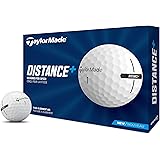
- Golf Balls: For beginners, avoid expensive, high-performance golf balls. You will lose balls, so opt for jumbo packs of more affordable, durable balls from big-box retailers. Save the premium balls for when your game improves.
- Tees: Stock up on basic tees. You’ll need them to tee off on par 3s, 4s, and 5s.
- Miscellaneous: Always carry some loose change for a ball marker. A cap or visor and sunscreen are non-negotiable for sun protection during hours spent outdoors.
Before heading to a new course, always check their specific dress code requirements and whether tee times are necessary. This simple step can save you from potential embarrassment and ensure a smooth experience. Thomas Howell’s advice to wear collared shirts and tuck them in, looking good and taking pride in your appearance, reflects the respect inherent in the game of golf.
Ultimately, your golf journey should be about enjoyment and continuous learning. By focusing on the foundational aspects—a positive mindset, adherence to etiquette, and smart equipment choices—you’ll set yourself up for a fulfilling experience on the course. Remember, mastering golf takes time, but every swing is an opportunity to improve and appreciate this magnificent game.
Tee Off Your Questions: Beginner Golf Q&A
What is the most important mindset for new golfers?
New golfers should embrace patience and a sense of humor, as golf is a challenging game that takes time to learn. Focus on enjoying the experience and the outdoors.
Why is golf etiquette important for beginners?
Golf etiquette ensures respectful behavior on the course, creating a pleasant experience for everyone. It helps new players integrate into the golf community smoothly.
Do I need to buy a full set of expensive golf clubs as a beginner?
No, beginners don’t need a full set of expensive clubs. Start with a basic set including a few irons, a putter, a wedge, and a driver or fairway wood, and consider getting them fitted.
What essential gear, besides clubs, should a beginner golfer invest in?
Comfortable, well-fitting golf shoes are crucial for stability and comfort. You’ll also need a snug golf glove for grip, appropriate apparel, and affordable golf balls.