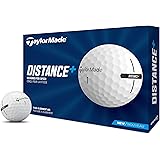
A dozen premium golf balls can easily cost $55. This translates to roughly $4.50 for every single ball. The video above boldly declares that Pro V1 golf balls are overrated. Many golfers share this skepticism. They wonder if such high prices truly justify the supposed performance benefits.
For most players, the brand name often adds to the cost. You might pay more for perception than performance. This article explores why some golfers question the value of premium balls. It offers a fresh perspective on golf ball selection.
Are Pro V1 Golf Balls Overrated? Unpacking the Price
Consider the average golfer. They might hit several errant shots per round. Each lost ball represents a significant cash loss. A $4.50 ball in the water stings more than a $2 alternative.
The premium price tag covers many factors. Research and development is a big one. Extensive marketing campaigns also drive costs up. You are often paying for branding and prestige. This doesn’t always translate to better scores. For many, the idea that Pro V1 golf balls are overrated becomes clear when comparing prices.
The Performance Debate: Do Expensive Balls Make a Difference?
Manufacturers tout superior spin, distance, and feel. Premium golf balls like the Pro V1 certainly deliver on these promises. They boast advanced multi-layer constructions. Their urethane covers offer excellent greenside control.
However, these benefits are most noticeable at higher swing speeds. A skilled golfer extracts maximum performance. Their precise short game utilizes every bit of spin. For the average player, these nuanced differences may be negligible. A casual round rarely showcases these subtle advantages. It’s like putting racing tires on a family sedan. The car might look fast, but it won’t perform like a race car.
Golf Ball Construction: Beyond the Cover
Every golf ball has a core, mantle layers, and a cover. The core impacts ball speed and distance. Softer cores compress more for slower swing speeds. Firmer cores suit faster swings.
Mantle layers influence energy transfer. They contribute to overall feel and resilience. The cover is crucial for spin and durability. Urethane covers offer soft feel and high spin. Surlyn covers are harder and more durable. They provide less spin but more distance for some players.
Matching the Ball to Your Game, Not the Hype
Choosing the right golf ball depends on your swing. It depends on your skill level. Your personal preferences also play a role. A slow swing speed golfer might benefit from a softer compression ball. This helps maximize distance. A high-handicap player needs durability. Losing balls frequently makes cost a major factor. The best ball for you supports your game. It does not punish your wallet.
Smart Alternatives: Budget Golf Balls That Perform
The market offers excellent budget golf balls. These alternatives provide comparable performance for most players. Kirkland golf balls, for example, gained popularity. They deliver premium features at a fraction of the cost. Vice golf balls offer direct-to-consumer pricing. Maxfli Tour golf balls also compete strongly. These brands cut down on marketing overhead. They pass the savings directly to the consumer. These budget-friendly options prove Pro V1 golf balls are overrated for many. They deliver great spin, distance, and feel without the hefty price tag.
Think of it like buying a brand-name coffee versus a store-brand. Both give you caffeine. The experience might be similar enough for most. The key is finding what works for you. You don’t always need the most expensive option. This applies to your golf balls, too.
The Psychology of Losing Expensive Golf Balls
Losing a $4.50 golf ball creates frustration. This can negatively impact your next shot. You might play more conservatively. You might hesitate on riskier shots. This fear hinders your game. However, losing a $2 ball carries less emotional weight. You feel less pressure. You can play more freely. This mental freedom can actually improve your scores. You focus on the shot, not the cost. This mindset shift is invaluable for many golfers.
Making an Informed Choice: Prioritize Your Game
Evaluate your own game honestly. Do you consistently hit the sweet spot? Are you a “scratch golfer” as mentioned in the video? Do you actually notice the spin differences? If not, cheaper balls might be perfectly adequate. Experiment with various brands and models. Find a ball that feels good to you. Focus on consistent performance. You can play better for less. Many feel Pro V1 golf balls are overrated. This is because their game does not require such an investment. You can find value and performance without breaking the bank.
Teeing Up Your Pro V1 Questions
What are Pro V1 golf balls?
Pro V1 golf balls are a well-known premium brand that costs more than many other options. Golfers often debate if their high price is justified by their performance for average players.
Why might a beginner golfer question buying expensive golf balls?
Expensive golf balls like Pro V1 can cost over $4 each, and their premium features often don’t provide a noticeable advantage for beginners. Losing a costly ball can also be frustrating and impact enjoyment.
Do expensive golf balls make a big difference for all golfers?
The advanced features of expensive golf balls are most noticeable for highly skilled golfers with fast swing speeds. For average or beginner players, these subtle differences may not significantly improve their game.
Can I find good golf balls without buying expensive premium brands?
Yes, many budget-friendly alternatives like Kirkland, Vice, and Maxfli Tour golf balls offer similar performance for most players at a lower cost. These options provide great value without sacrificing quality.